


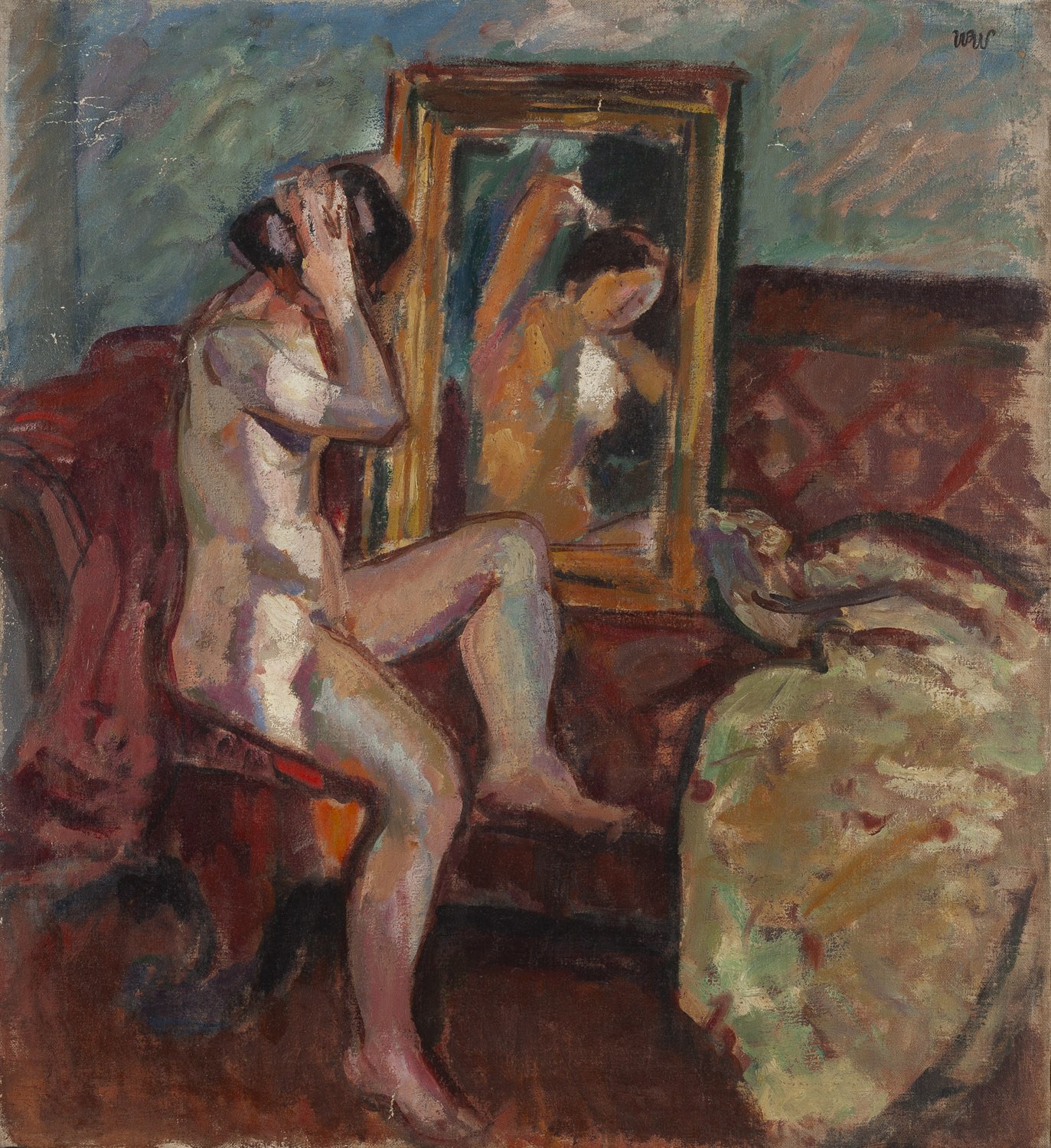
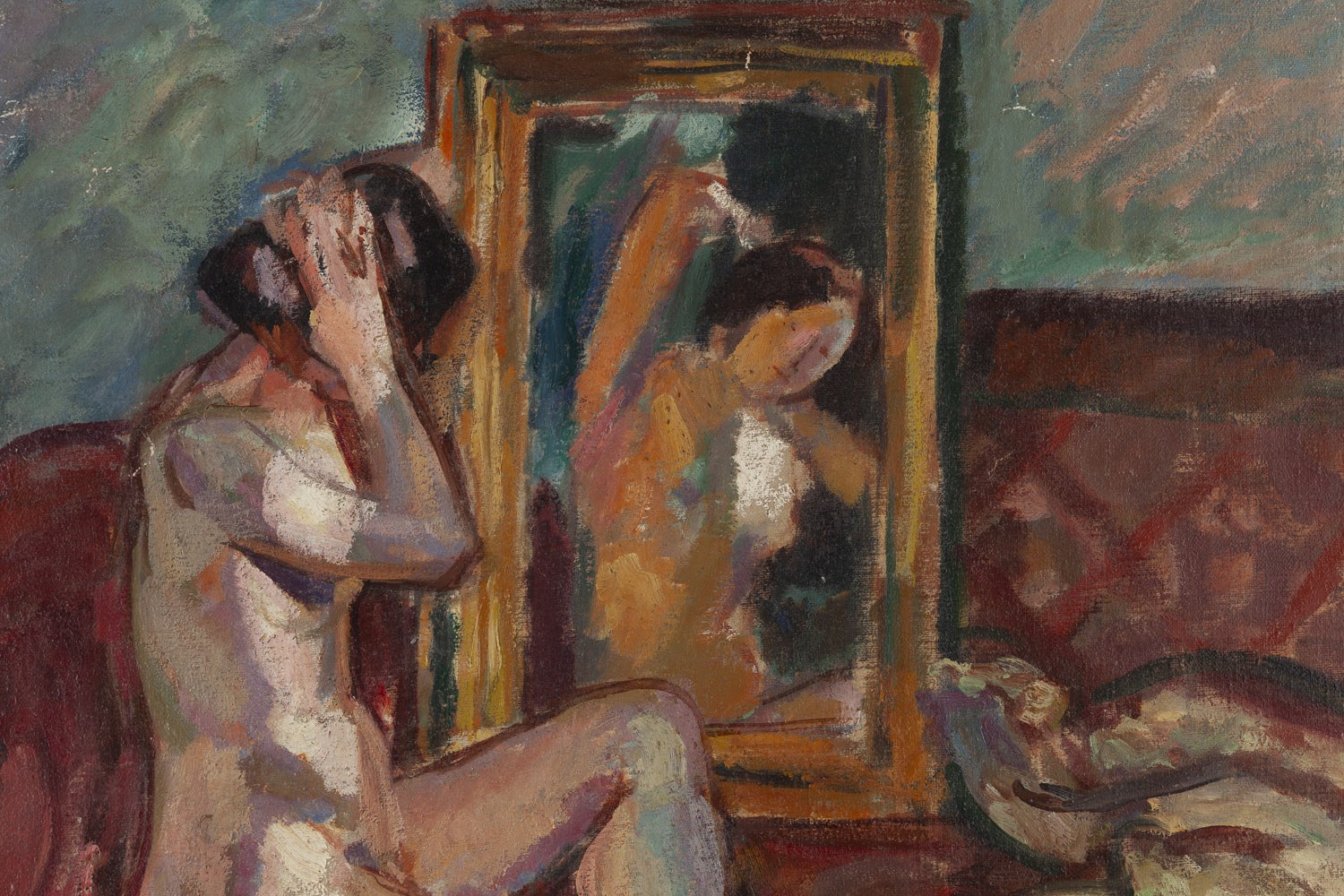
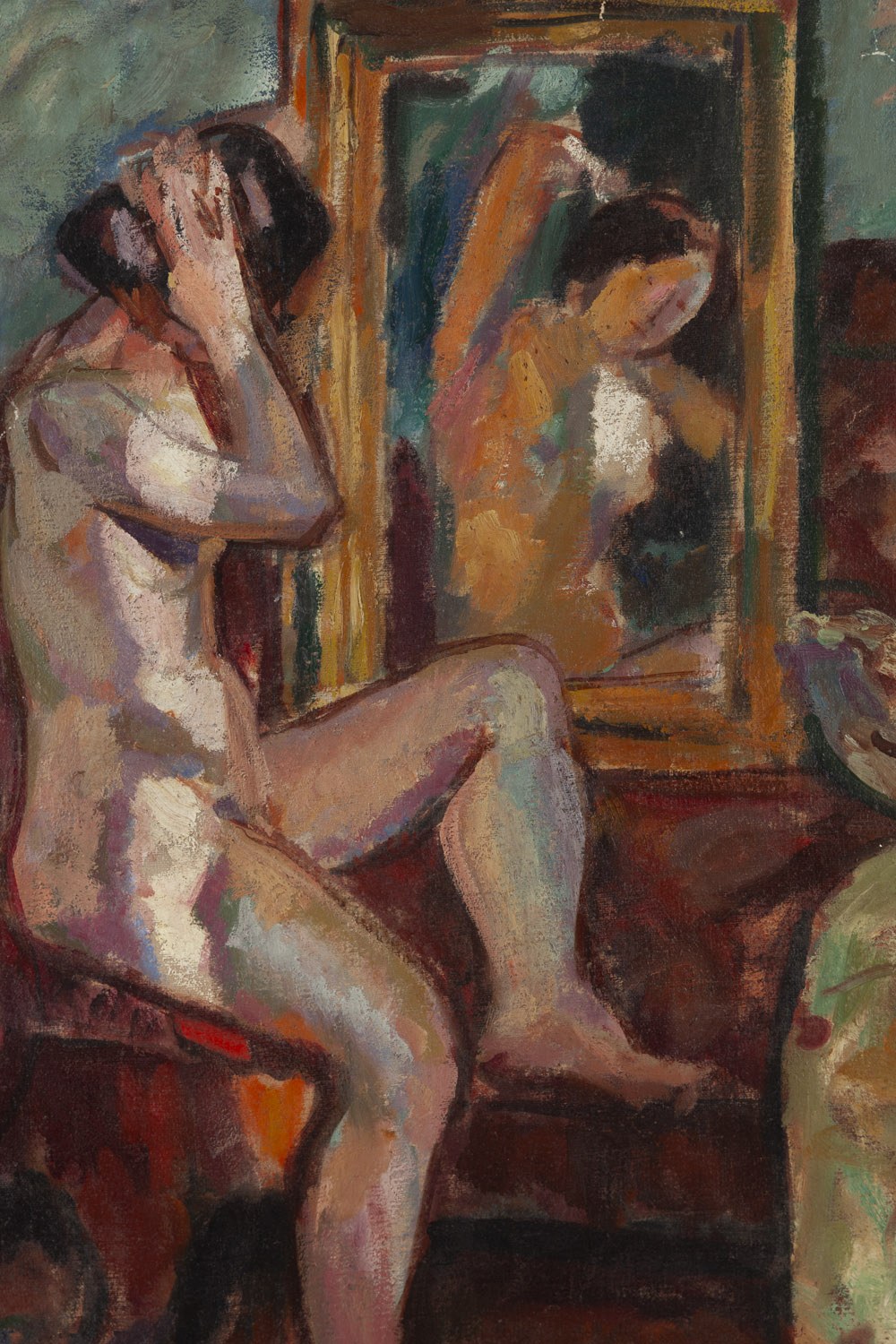
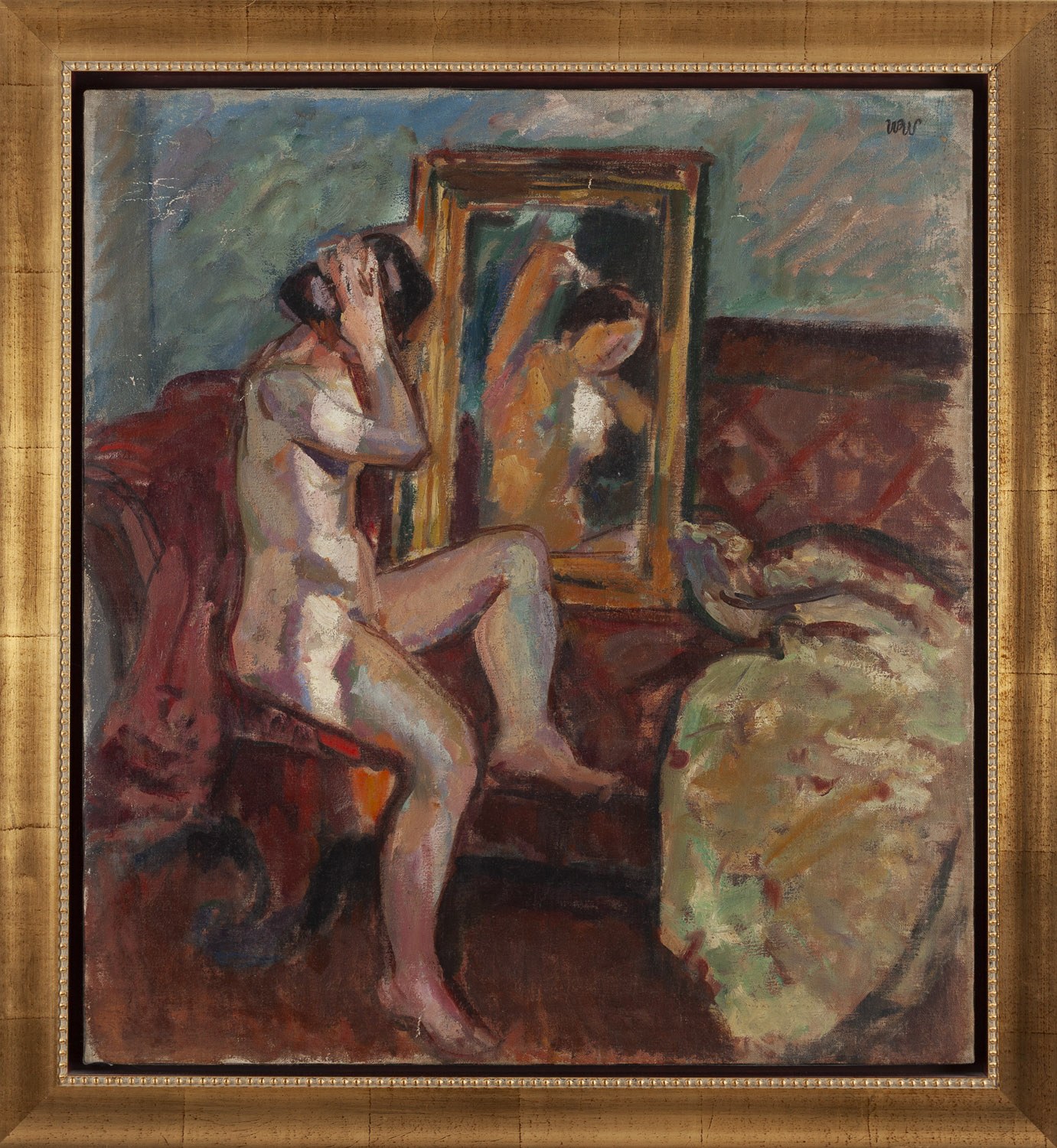
Dimensions: 83 x 75 cm (inside the frame)
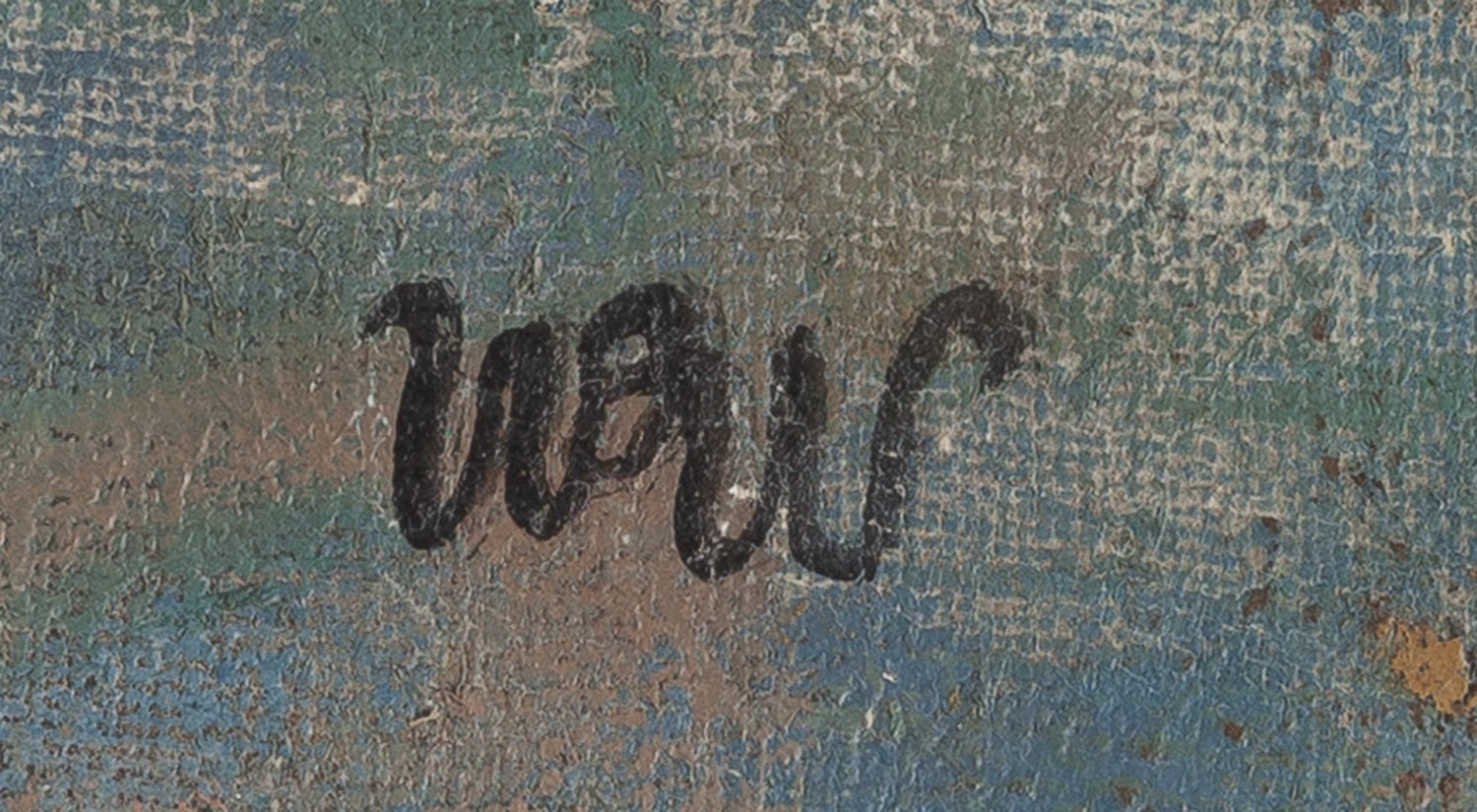
Signed with a linked monogram at the bottom center: 'WW'
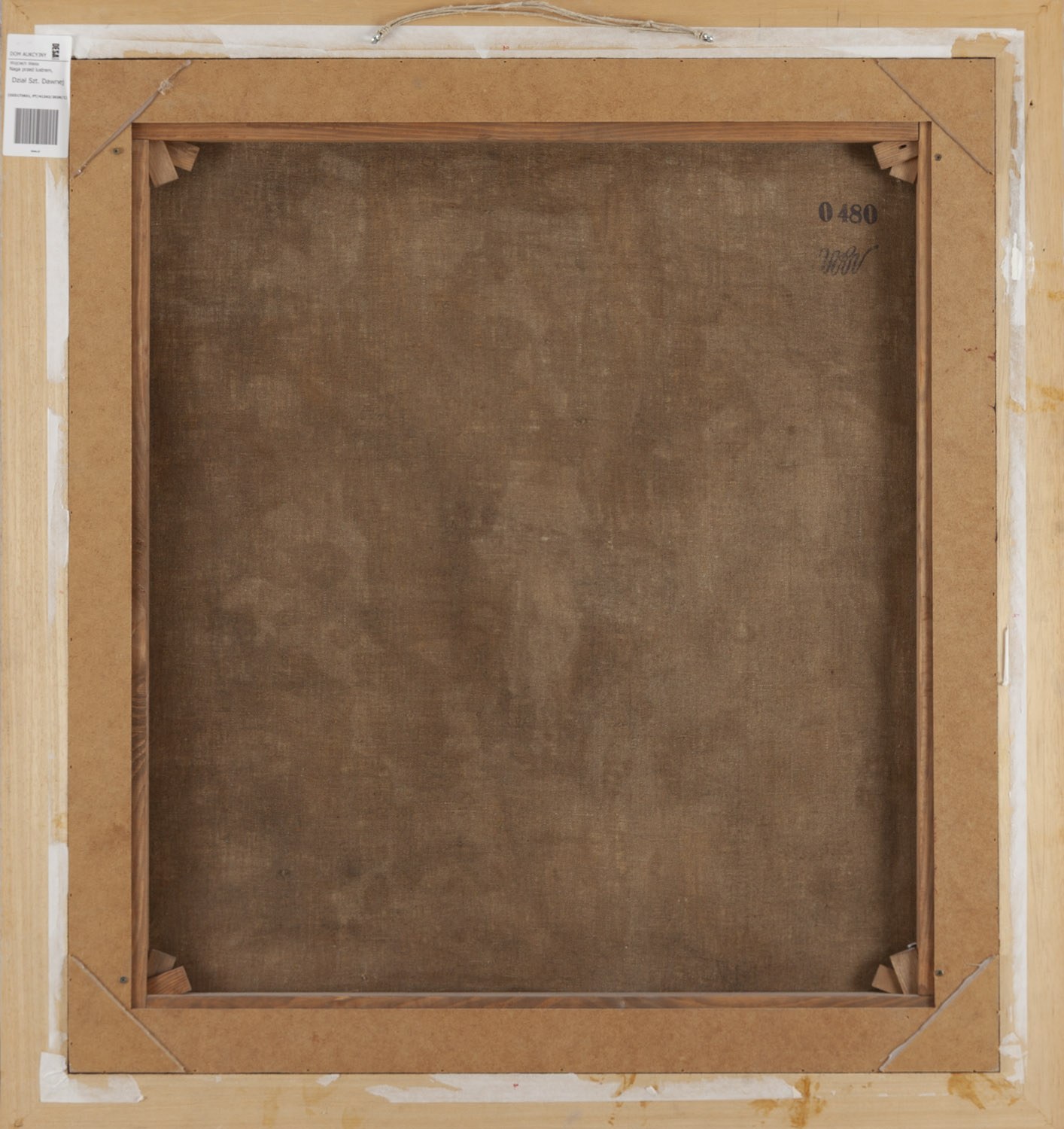
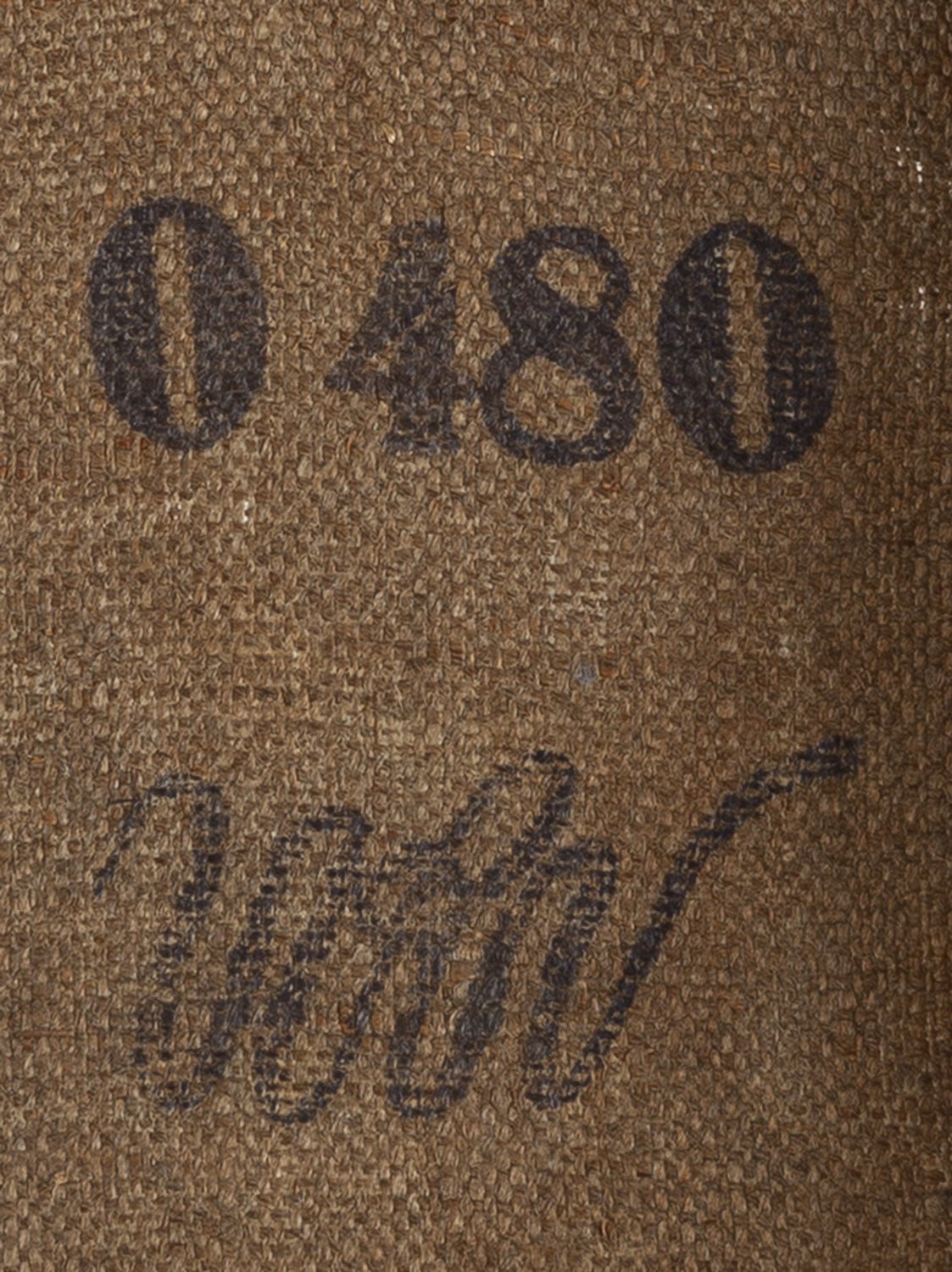
On the reverse, a stamp with the number: '0 480' and the artist’s interlaced monogram
Provenance
Polswissart Auction House, October 2015
Private collection, Poland
Biography
He was born in Leord, in Bukovina, Romania. His father’s profession—a railroad worker—left a distinct mark on the artist’s later work, as he frequently returned to railroad motifs (Płaszów, Strzyżów). He was initially educated in Lviv, and then, after moving to Podgórze, in Kraków. In 1892, thanks to the support of Jan Matejko, he was immediately admitted to the second year of studies at the Kraków School of Fine Arts. During his studies, he undertook his first trip through Europe and visited Paris. Under the influence of this experience, as well as after meeting Stanisław Przybyszewski, decadent and expressionist tendencies began to emerge in his work. He completed his studies in Leon Wyczółkowski’s master class in 1898. That same year, he participated in the “Sztuka” exhibition and began collaborating with the Kraków-based magazine “Życie.” Between 1899 and 1903, he made regular trips to Strzyżów in the Podkarpacie region, where his sister lived with her husband and children at the train station. It was there that the artist created his most important Symbolist and Expressionist works, including “Possession” and “Radiant Sunset.” In 1901, he received a scholarship from Count Michał Tyszkiewicz, which he used to travel to Italy. He visited, among other places, Rome and Venice, to which he returned with particular enthusiasm.
In 1904, he purchased a house in Kalwaria Zebrzydowska. This place became his sanctuary and a setting for numerous plein air sessions in the years that followed. During this time, he underwent a transition from catastrophism to an affirmation of life, nature, and the world. In 1905, the so-called “White Period” began in his work, lasting until 1912, during which Weiss drastically lightened his color palette and drew inspiration from Japanese art. In 1907, Irena Silberger (Aneri) arrived in Kraków; the artist married her a year later. This was a time of rapid career growth for Weiss. He became a member of the Society of Friends of the Fine Arts in Kraków and the Vienna Secession, as well as president of the “Sztuka” art journal. The 1920s were a period of family and artistic stability. The Weiss family moved into a villa designed for them by Tadeusz Stryjeński and Franciszek Mączyński at 31 Krupnicza Street. The interwar period would be marked by numerous nudes, still lifes, and landscapes created in the spirit of the old masters, yet not without echoes of modern artistic movements, such as French Impressionism. Weiss frequently visited southern Europe at that time, particularly Nice, where Aneri’s sister, Maria Sperling—also a painter—lived. In the 1930s, the artist and his wife regularly went on plein air painting trips to the Baltic Sea. He also enjoyed traveling to Ojców and Poronin. Kalwaria Zebrzydowska remained a constant setting for his artistic endeavors. In 1948, he received the City of Kraków Award for his lifetime achievement.










