


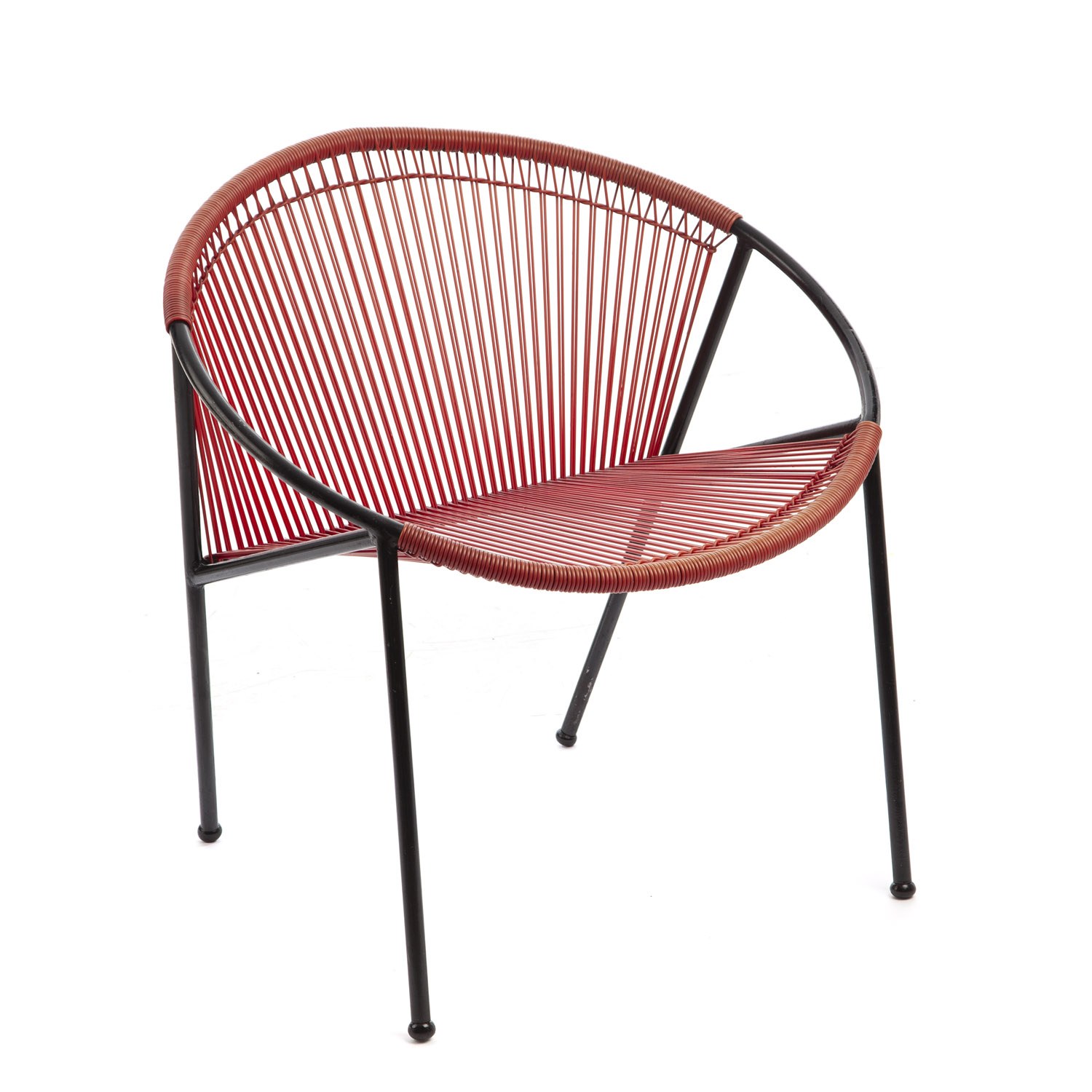
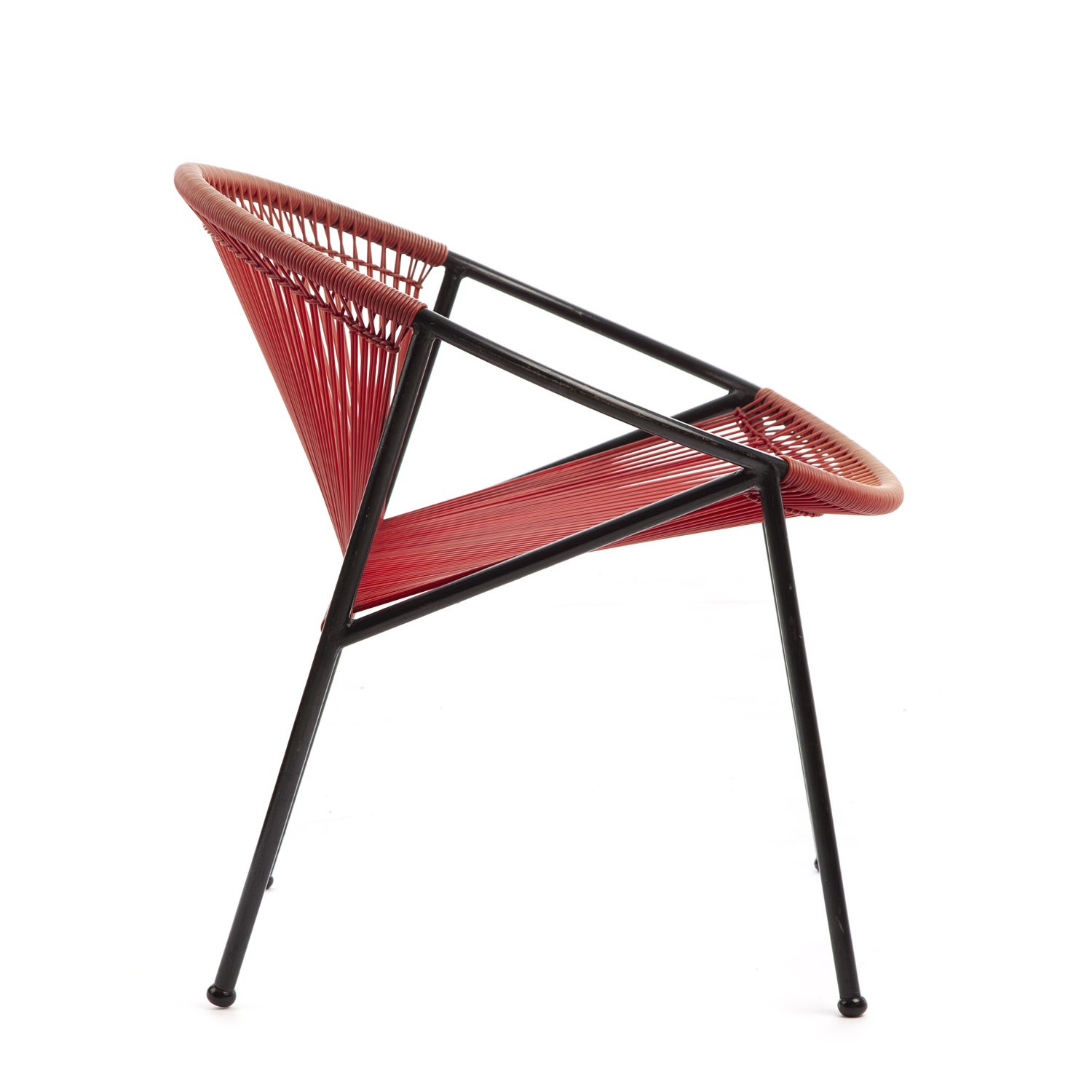
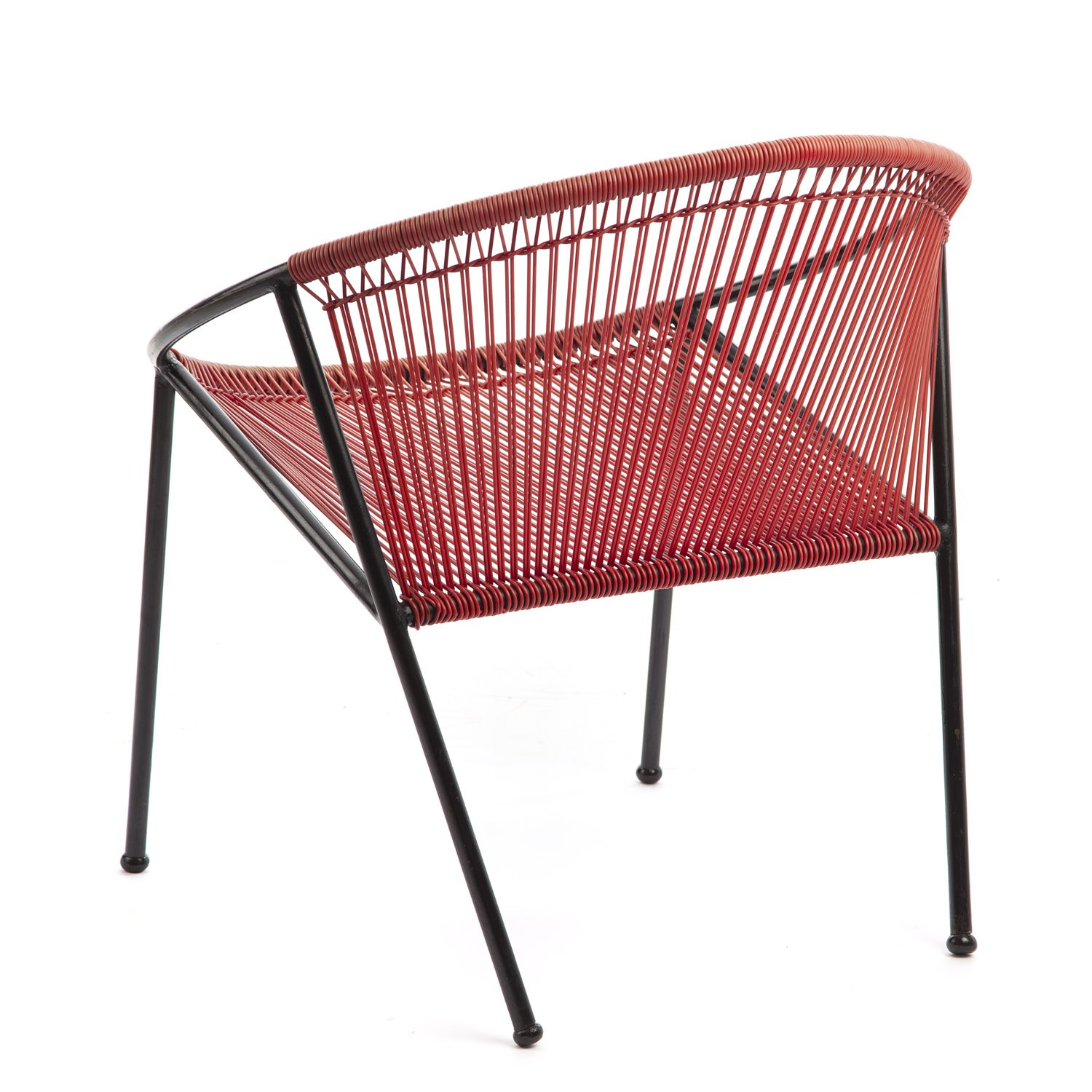
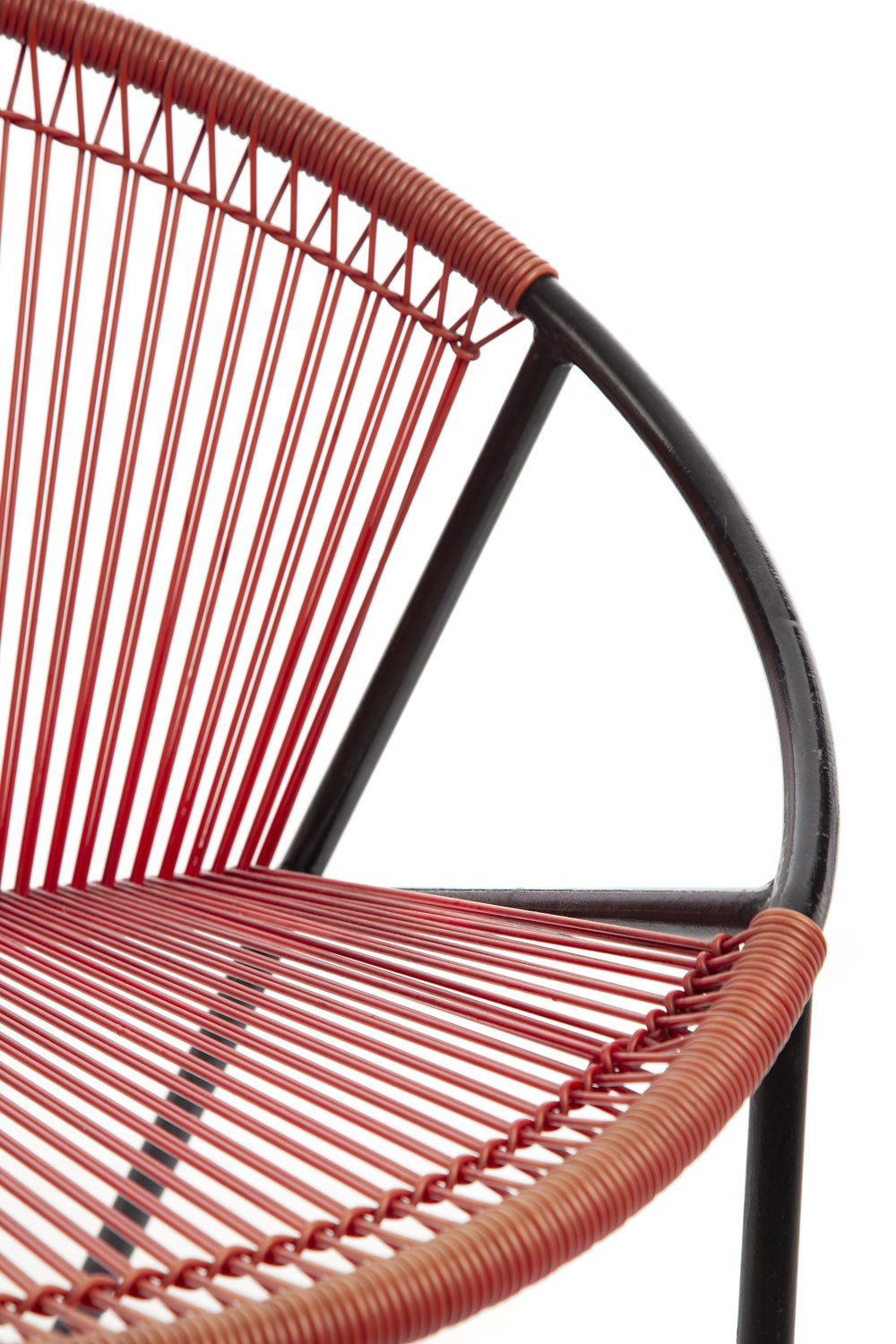
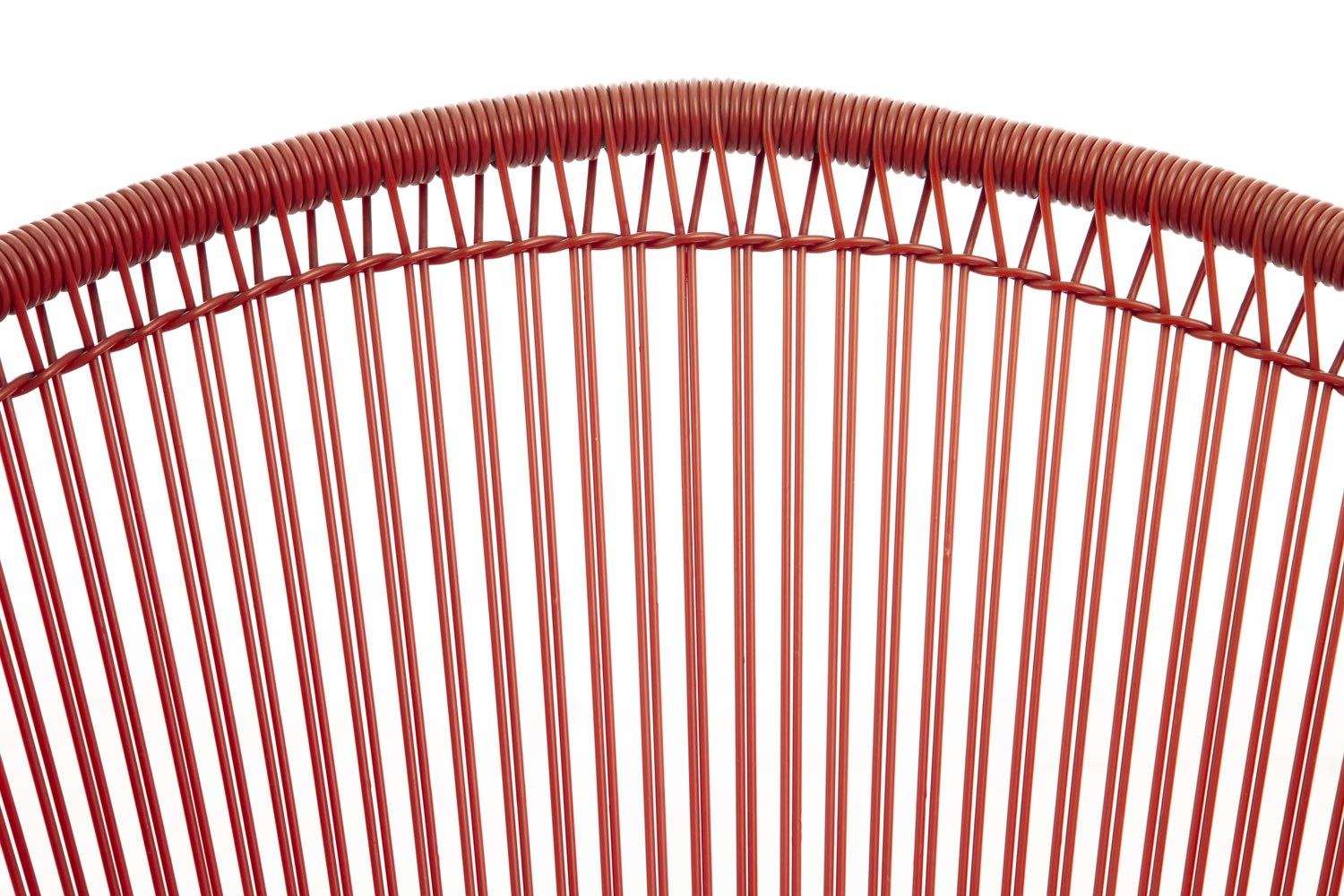
Dimensions: 70 x 68 x 64 cm
1958 proj.
Condition
traces of use
Literature
cf. Krystyna Łyczak-Surówka, Teresa Kruszewska. Furniture for children [in:] ed. Czeslawa Frejlich, Rzeczy niepospolite. Polish designers of the twentieth century, Krakow 2013, p. 275 (il.).
cf. We want to be modern. Polish design 1955-1968 from the collection of the National Museum in Warsaw, ed. Anna Demska, Anna Frąckiewicz, Anna Maga, Warsaw 2011, p. 65 (ill.)
cf. Henryka Noskiewicz-Gałązka, Teresa Kruszewska. Interior Architect. Creativity, Warsaw 2012, p. 28.
Biography
In 1945, after graduating from high school, she entered the Municipal Decorative School in Warsaw, which was transformed first into the Academy of Fine Arts and then merged with the Academy of Fine Arts. She defended her diploma in 1952 at the Interior Design Department, in the studio of Prof. Jan Kurzątkowski. Teresa Kruszewska has always stressed that Jan Kurzatkowski played a key role in shaping her design foundation. Teresa Kruszewska's designs are characterized by aesthetics and functionality, structural simplicity and flexibility of the proposed solution. She always designed based on defined needs and ergonomic principles. Teresa Kruszewska is one of the leading Polish designers of the second half of the 20th century. Educated in the tradition of Polish craftsmanship, characterized by a preference for and familiarity with natural materials, her main emphasis in design was on the humanistic aspect of the










