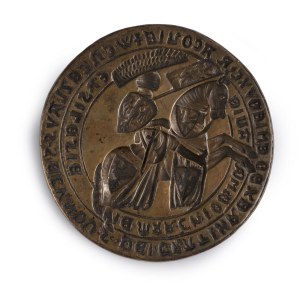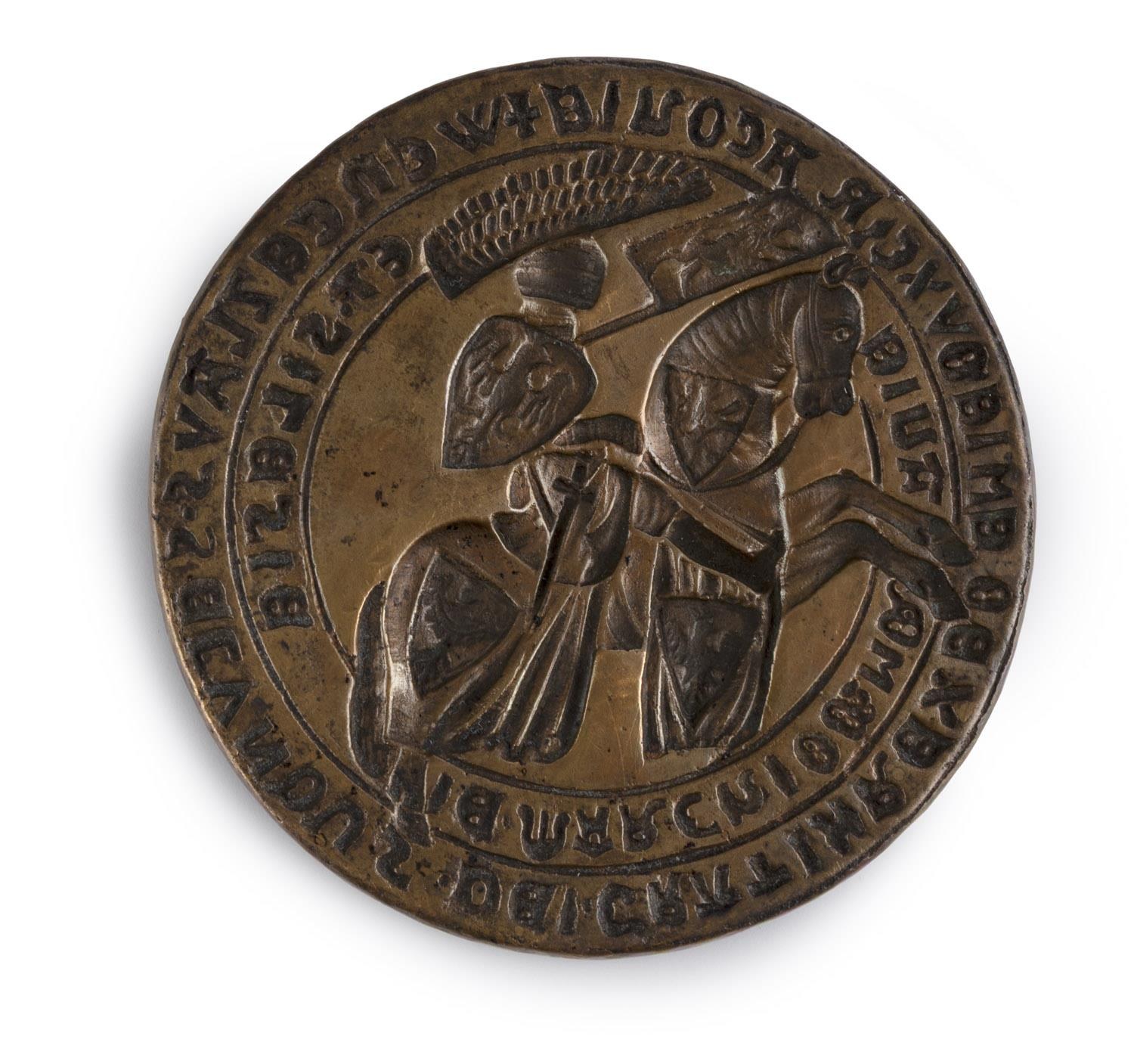
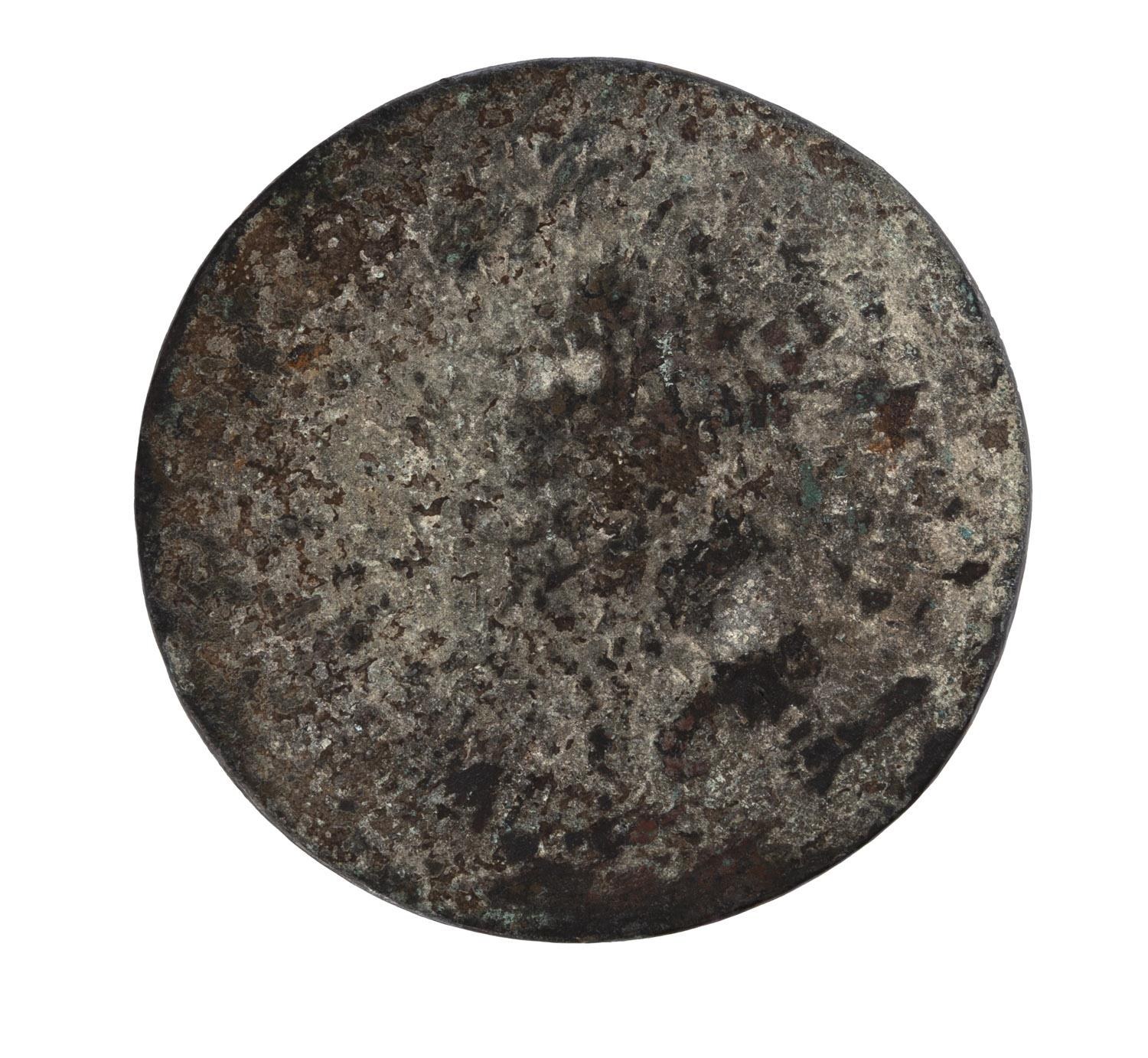
Wenceslaus II (1271–1305), a member of the Přemyslid dynasty, was King of Bohemia and, from 1300, also King of Poland. Before claiming the Polish crown, he ruled, among other places, in Kraków, Greater Poland, and Gdańsk Pomerania. His position in Poland was strengthened by his marriage to Ryksa Elizabeth, daughter of Przemysł II. Crowned in Gniezno, he held the titles of ruler of both kingdoms.
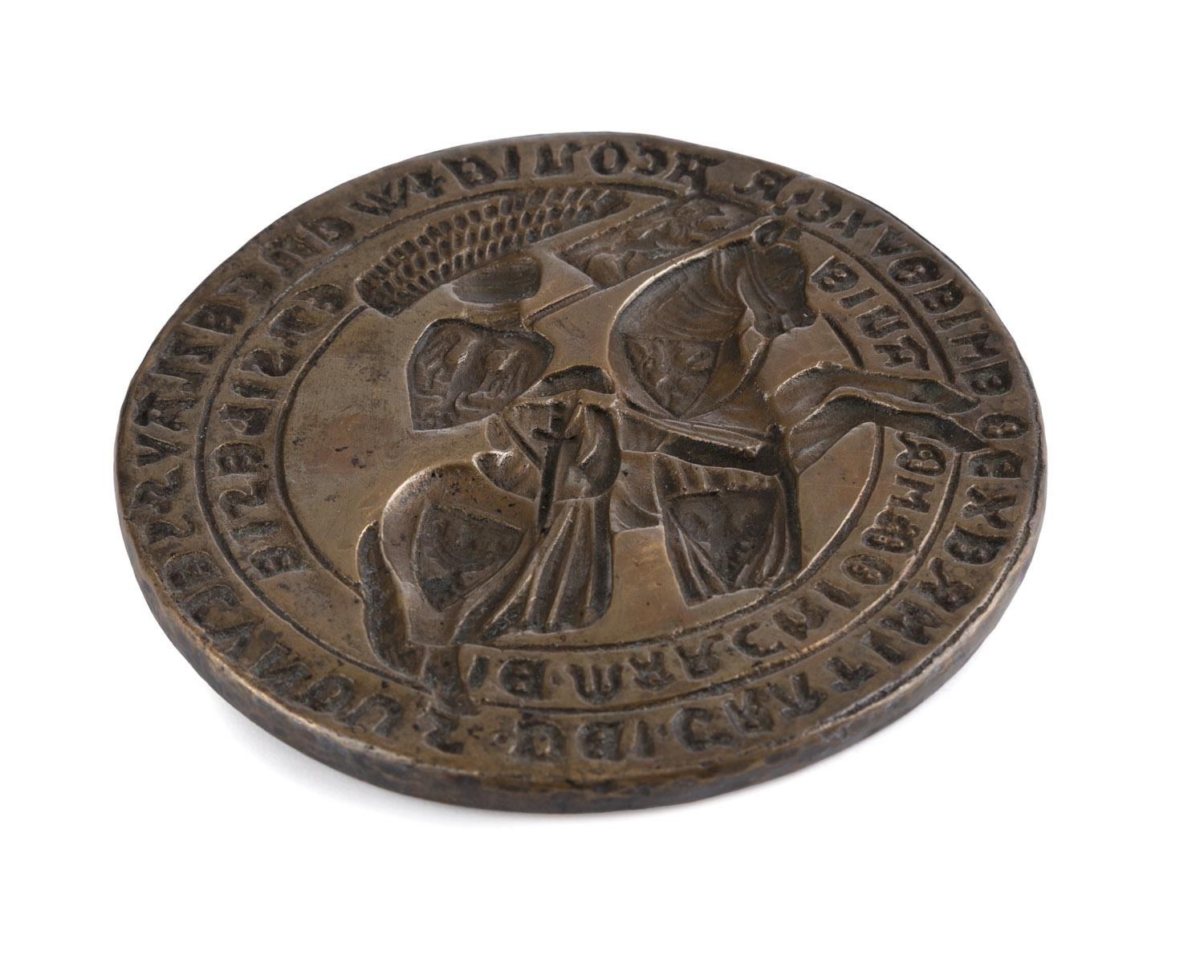
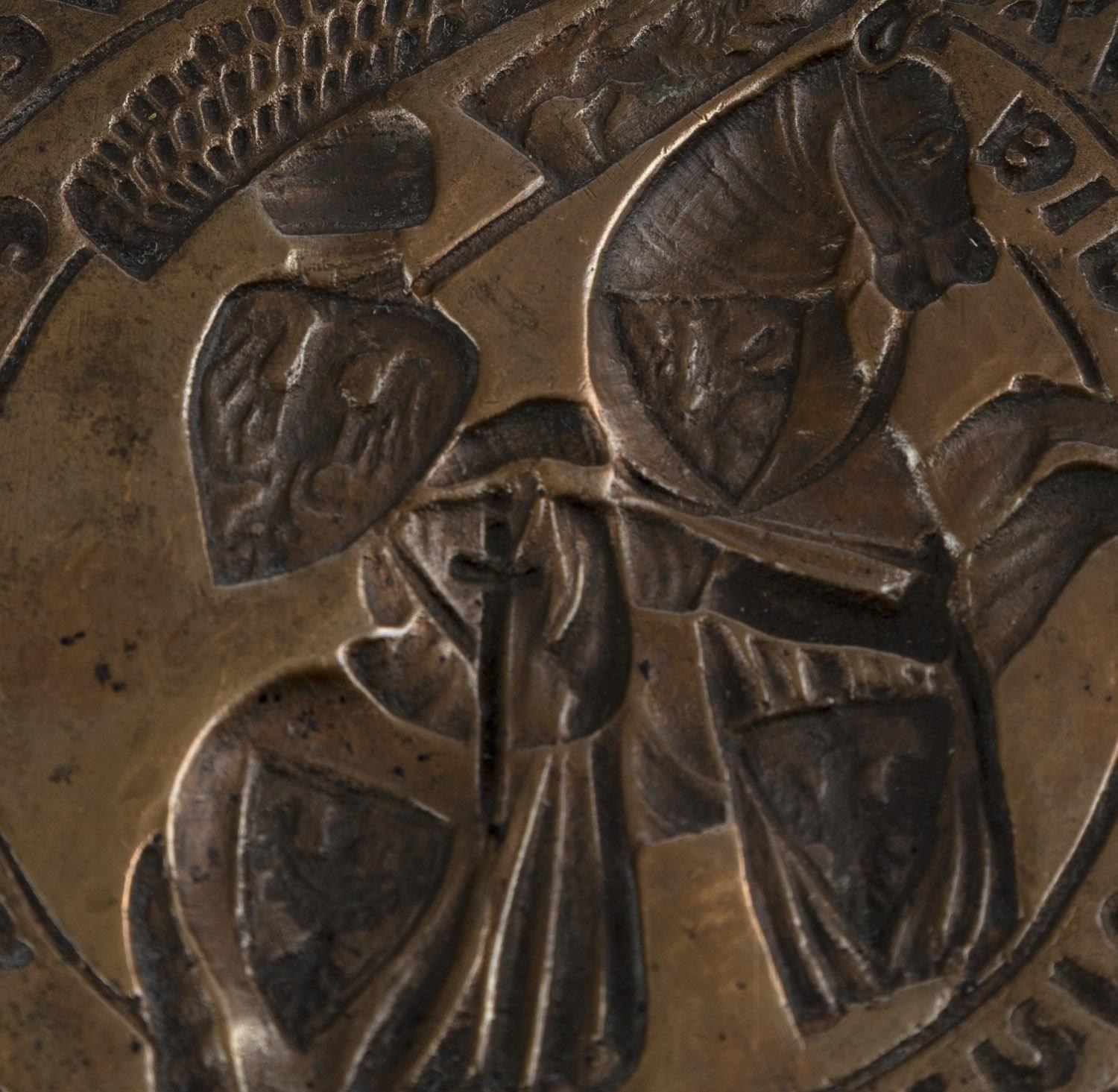
The seal die presented here is distinguished by iconography emphasizing the monarch’s Polish dignity. The horseman wields a shield bearing the Polish eagle, and images of eagles also adorn the horse’s saddlecloth. Only the pennant depicts the Czech lion. This combination of coats of arms may indicate that the seal was intended to authenticate documents concerning the Polish lands of Wenceslaus II. On a seal used in Bohemia, one would expect to see a shield bearing a lion.
The seal’s design was known from a single piece once kept in the Dresden archives, which is now lost. In the 19th century, historian Franciszek Piekosiński received a photograph and a cast of it. The large size of the seal presented here, corresponding to the dimensions of the artifact documented in Dresden, provides significant evidence linking the two. In the Old Polish era, even documents several hundred years old remained in use as long as they retained their seals. It is possible that the seal die was later stored in the Crown Archives, where it may have been used to supplement old documents or to reproduce damaged seal impressions. Its extraordinary scale, unseen in later royal seals, underscores the object’s unique character.