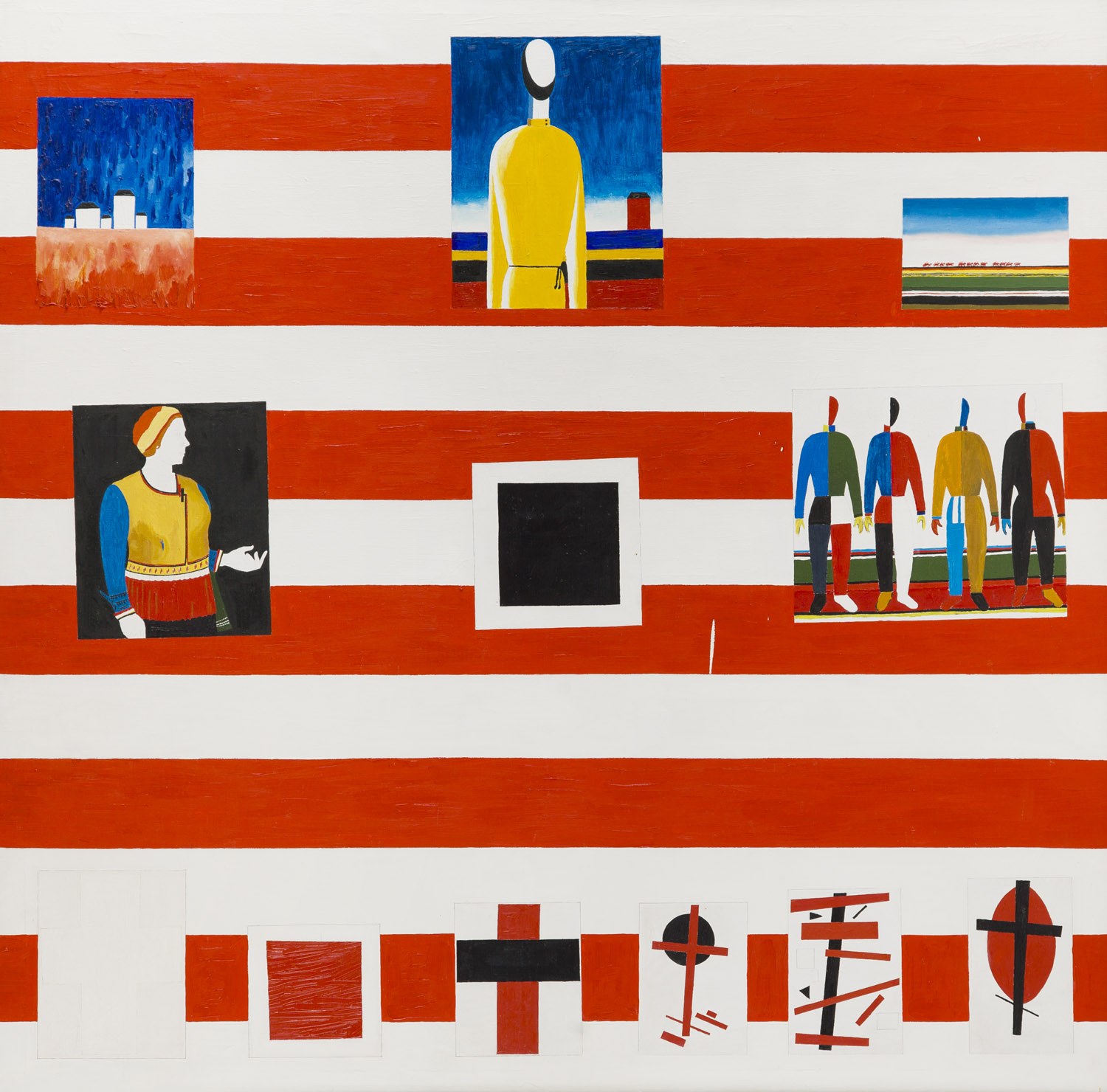
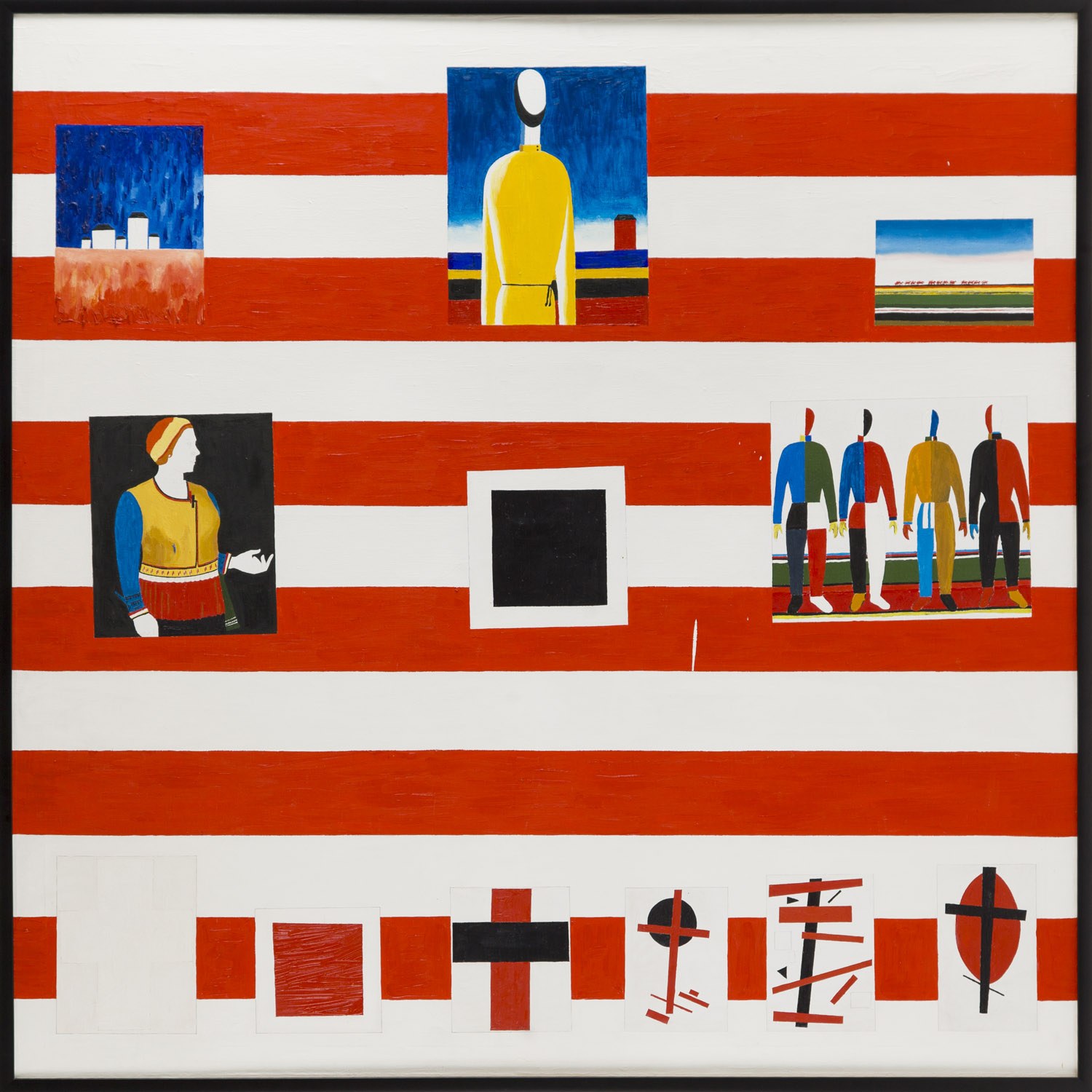
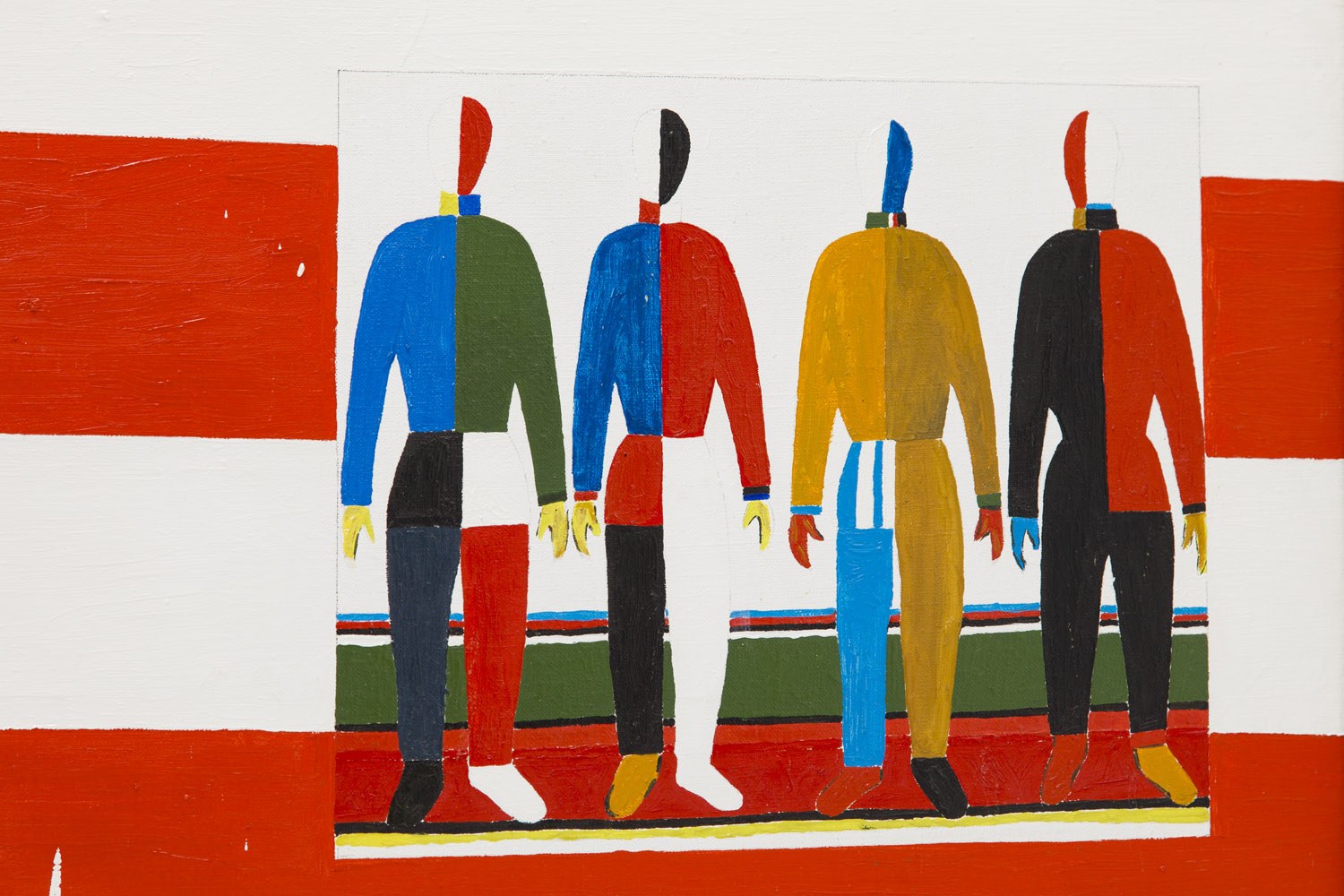
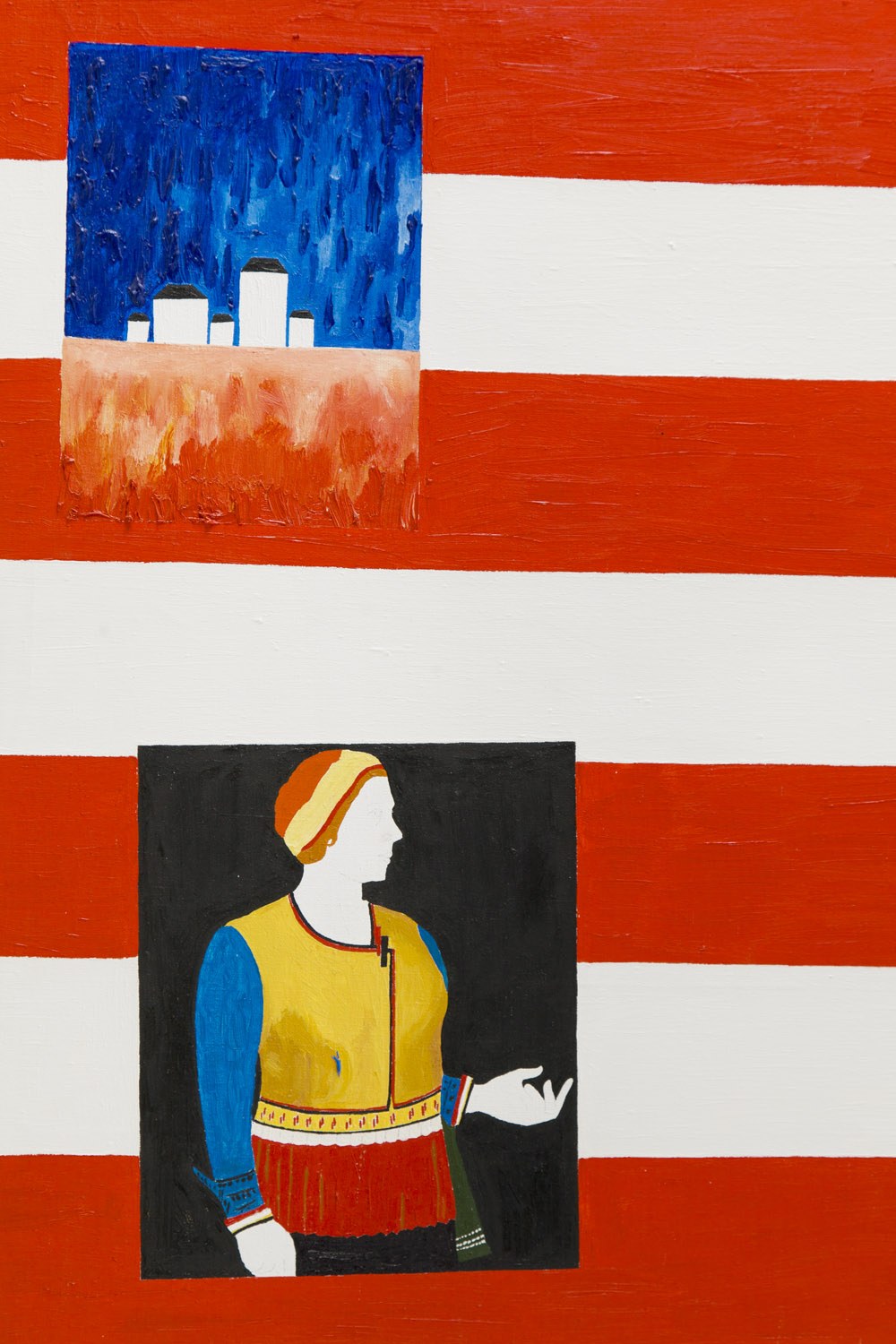
Dimensions: 130 x 130 cm
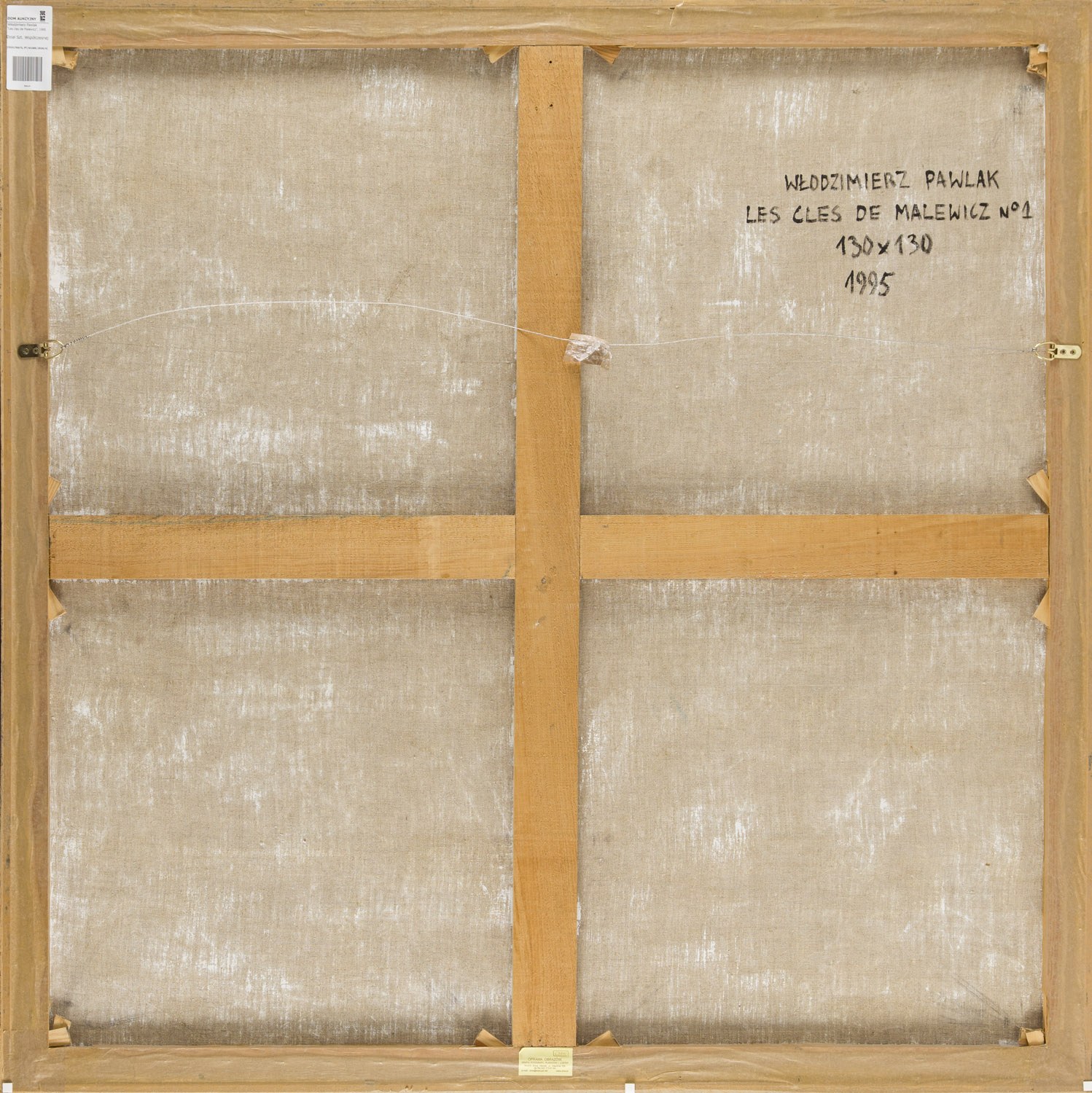
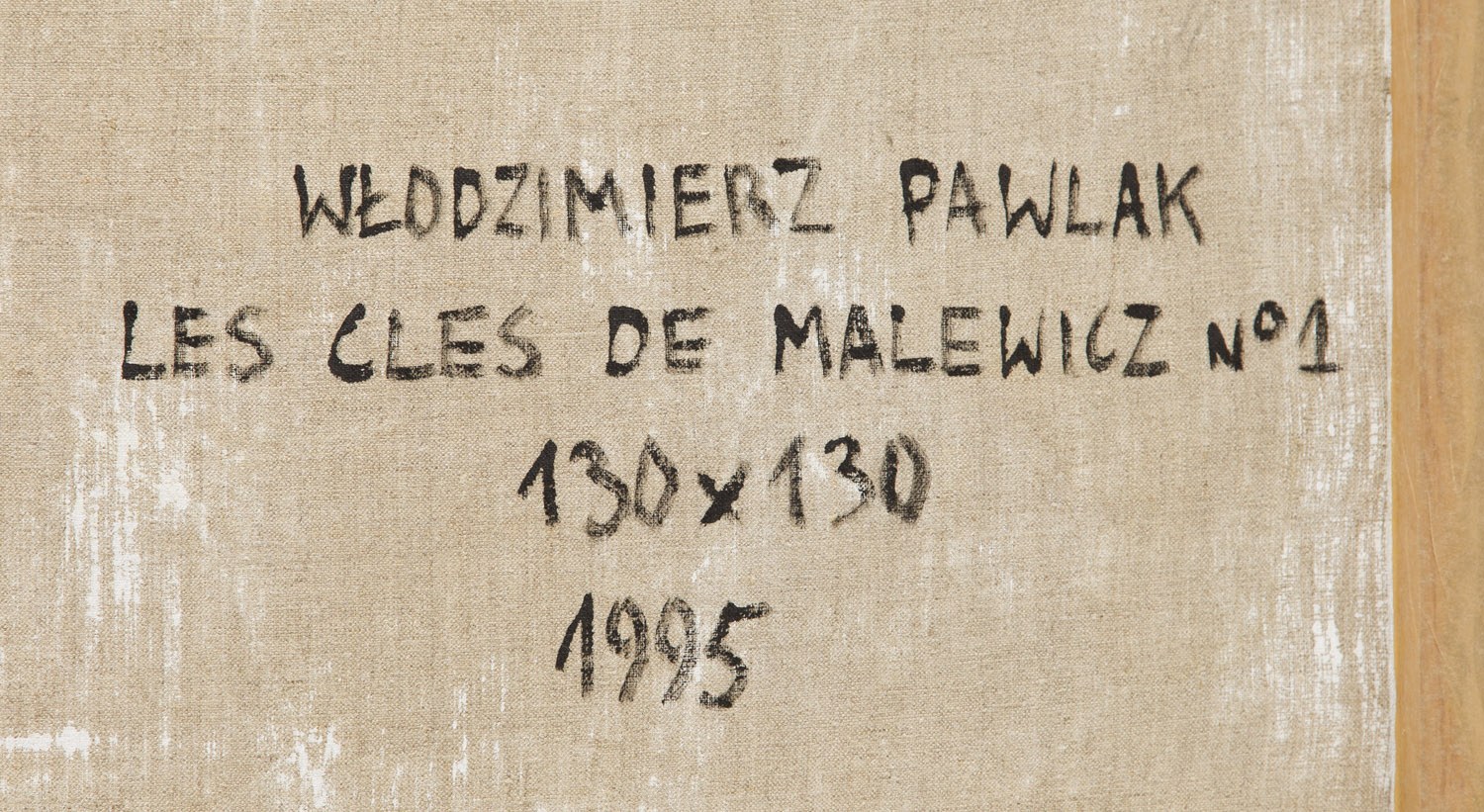
Signed, dated, and inscribed on the reverse: 'WŁODZIMIERZ PAWLAK | LES CLES DE MALEWICZ NO 1 | 130 x 130 | 1995'
Provenance
private collection, Warsaw
Bibliography
Beautiful Structures—The Paintings of Włodzimierz Pawlak, text by Bożena Kowalska, “sztuka.pl,” Gazeta Antykwaryczna, no. 5 (134), May 2007, p. 6 (ill.)
Włodzimierz Pawlak. Self-Portrait in Afterimages, exhibition catalog, Zachęta National Gallery of Art, ed. Agnieszka Szewczyk, Warsaw 2008, cat. no. 238, p. 156 (ill.)
Biography
He was an auditor and later a student in Rajmund Ziemski’s studio at the Academy of Fine Arts in Warsaw. While still a student in 1982, he became a member of Gruppy. He participated in nearly all of the group’s exhibitions and actions and served as co-editor of the magazine *Oj dobrze już*, in which he published poems, manifestos, and texts of lectures. Together with *Gruppa*, he took part in the independent art movement of the 1980s. During this period, he made a name for himself as an artist sensitive to the social and political complexities of the martial law era. He commented on the prevailing situation using unsophisticated, direct metaphors, as in the series “Pigs” (1983), or through symbolic reinterpretations of the five-pointed star, as seen in the paintings *RED BUS SETS OFF ON A JOURNEY AROUND THE WORLD*, *THE ROAD FROM HELL TO HELL* (1984). Pawlak’s series of graduation paintings is titled “Paintings Painted Over” (1985), as the artist had intended (though never carried out) to paint over them in the presence of the graduation committee. This was meant to be a gesture of destruction and, at the same time, of solidarity with the anonymous “painters” of political graffiti on walls. In a group of paintings from 1986–1987, he employed the technique of obscuring the composition by masking it with a layer of paint, which was an original transposition and preservation in art of the characteristic motif of painted-over political slogans on walls (I DON’T SPEAK, I DON’T SEE, I DON’T HEAR, WHERE DO WE COME FROM, WHO ARE WE, WHERE ARE WE GOING, BREAKING GLASS TUBES). He made a radical change in form in the series “Educational Charts” (1987–1988). The surfaces of the paintings are filled with graphic grids of ideograms, charts, maps, and symbols representing knowledge and culture. They have been compared to the negative image of a chalkboard.